How to Choose Flat Versus Elevated Footwear for Optimal Ankle Stability During Squatting
How to Choose Flat Versus Elevated Footwear for Optimal Ankle Stability During Squatting
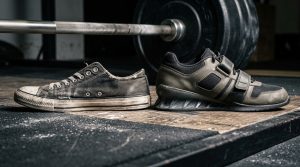
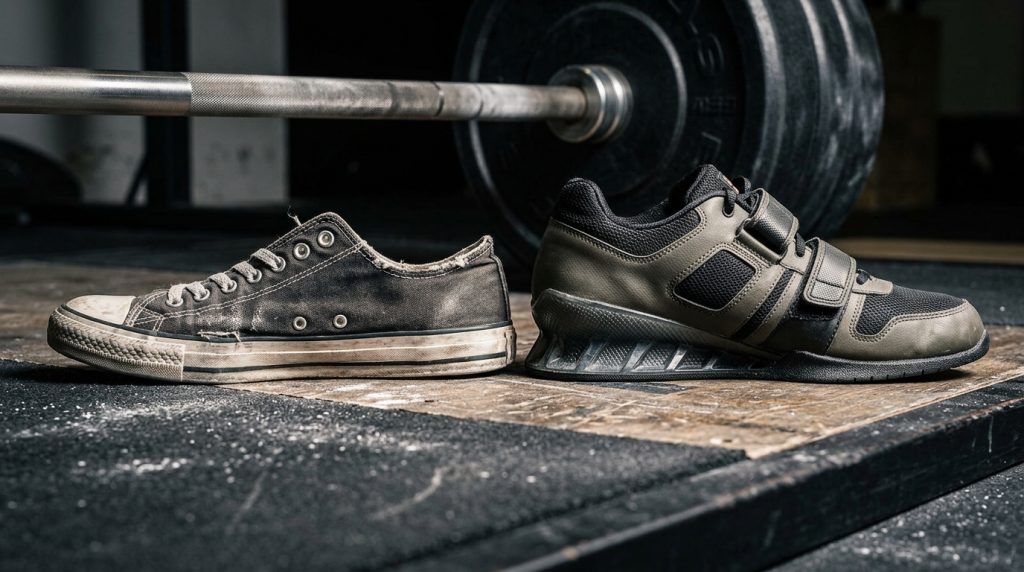
The appropriate shoes for squats can impact your ankle mobility, balance, lifting mechanics and overall training success. The benefits of flat shoes versus high heel weightlifting shoes vary, based on the individual’s ankle range of motion, squat form, training goals and physical proportions. What about the flat shoe? A flat shoe will usually give a firm base and a low heel to toe drop, which allows lifters to have a more natural foot position in lifts that involve a lot of ground contact. Elevated-heel shoes, in contrast, elevate the heel relative to the forefoot, which can assist with limited ankle dorsiflexion and support a more upright torso during some squat variations. But there is no guaranty that either method will offer improved ankle stability or injury prevention. The choice of footwear should be based on how the athlete lifts under load—not on popular fitness fads or on what another lifter wears. Other factors such as sole stiffness, shoe width, heel height, traction, and foot pressure distribution also play a role in performance. Understanding the distinctions helps athletes select footwear that promotes consistent technique, joint position and force production throughout their squatting.
Understanding Ankle Stability in Squatting
Ankle stability in squatting is the control of the foot and ankle as the body travels through a loaded range of motion. The ankle has to allow the shin to travel forward while the foot stays in contact with the ground and distributes the pressure correctly. This movement needs a mix of joint mobility, muscle control, balance and co-ordination. If a lifter does not have ankle dorsiflexion then he or she may compensate for this by lifting the heels , over-rotating the feet or leaning forward with the torso to reach the necessary depth of the squat . These changes are not hazardous in and of themselves, but they do modify the way you move and can make some squats harder to do. Footwear influences the starting position of the ankle and the relationship of heel to forefoot, but does not compensate for all intrinsic mobility or control limitations. The strength of the foot and calf muscles and surrounding structures of the lower limb also contribute to stability. Good shoes that fit well and have a solid base will help you be more consistent while bad shoes can cause unwanted movement or pain. A good beginning point is to look at how an ankle moves in an unloaded squat before picking flat or raised shoes.
How Flat-Soled Shoes Affect Squat Mechanics
Flat-soled shoes have little or no elevation of the heel and usually offer a rather uniform platform under the foot. The low profile helps the lifters keep a steady connection to the floor while building strength in the hips, knees and ankles. Flat shoes can provide a broad basis for stability during squats, deadlifts and other compound movements, depending on their structure. They are particularly well-suited for those with adequate ankle dorsiflexion to accomplish their desired squat depth without compensation from the feet or torso. Flat shoes may appeal to lifters who want a lower heel position and a movement pattern that depends more on their existing joint mobility. But not all flat shoes are equal in terms of stability. Lifting platforms can be inconsistent if you’re wearing soft running shoes, cushioned lifestyle sneakers or flexible casual shoes that can compress or shift under significant resistance. A firm, non-slip sole is usually more significant than the shoe being perfectly flat. So lifters should be looking at sole stiffness, grip and fit and general support rather than just believing any low profile shoe would do for heavy squatting.
Benefits of weightlifting shoes with high heels
Elevated heel weightlifting shoes increase the heel’s height in relation to the forefoot, altering the ankle angle you can achieve at the start of a squat. This design may allow some lifters to attain more knee travel and a more upright torso, without requiring as much ankle dorsiflexion from their natural starting posture. This impact can be especially advantageous for high bar back squats, front squats and other variations where you want a reasonably upright torso. The elevated heel may also make it easier for some to get to a comfortable squat depth with the whole foot supported. Dedicated weightlifting shoes frequently have a combination of heel elevation and a hard sole with a strong fastening system, resulting in a stable platform under heavy loads. However, benefits rely on the individual’s movement characteristics and technique. Even if you wear high shoes, you still require ankle mobility, ankle strength and proper distribution of pressure on the feet. A elevated heel may make some lifters feel less comfortable when doing other workouts, or disrupt their balance. The heel should be sufficiently high to aid the action, but not so high that the athlete is placed in an unstable or unpleasant position.
Flat vs. Elevated Footwear: A Comparison in Ankle Mobility
Ankle dorsiflexion is the motion that permits the shin to go forward relative to the foot, while the heel remains supported. Adequate dorsiflexion enables lifters to achieve their optimal squat depth without significant compensations anywhere else in the body. Flat footwear forces the athlete to create this movement solely from their available ankle mobility and squat mechanics. Elevated footwear alters the starting position of the ankle which reduces the amount of extra dorsiflexion required to get into a similar squat position. This difference is why weightlifting shoes can be beneficial to those who have difficulty reaching depth in flat shoes. Limited ankle movement can be caused by a number of factors including tightness in the calf muscles, joint constraints, past injuries or anatomical variations. Heel elevation may enhance squat position without correcting the root constraint. A simple comparison will help you decide which choice is better: Try a few controlled bodyweight squats in flat footwear, and then do the same movement with a small heel elevation, paying attention to depth, balance, and comfort. If the raised position promotes movement without pain or instability, it can be a valuable choice. If the limitations or discomfort continue, it is time to have a professional assessment rather than pounding the joint into more range of motion.
Distribution of the foot pressure and base stability
Foot pressure distribution is a major issue for squat footwear selection, since the lifter needs to have a stable interaction with the ground during the lift. In a proper squat, pressure is typically spread throughout the heel and the front of the foot, including the areas under the base of the big toe and little toe. The distribution changes slightly with the body’s movement, but the foot should not uncontrollably slide to one edge or lose touch with the platform. A stiff shoe sole that minimizes undesirable compression can make pressure changes in these shoes easier to handle. Higher heels can alter the connection of the ankle, knee and torso, and affect how the lifter feels pressure on descent. Some people feel better in a shoe with a higher heel, others in a shoe with a lower profile. Sensation alone should not be assessed in isolation from technique and load. If the shoe does not fit well, if it pinches your toes too much or if your foot slides about inside it, you will be less stable no matter how high the heels are. Lifters should give the footwear a test run with light resistance before putting it into action for heavy working sets and ensure the sole stays attached to the training surface.
Matching Shoes To Various Squat Variations
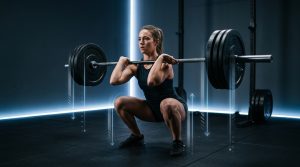
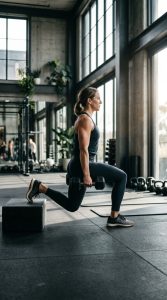
The best type of footwear will depend on the squat type. The high-bar back squat and front squat frequently need a lot of knee flexion and forward shank movement, and for the lifter who needs aid getting to depth, shoes with a raised heel can be helpful. Weightlifting shoes can especially benefit Olympic weightlifters, as their training often requires deep receiving postures and upright squat mechanics. Many lifters like low-bar back squats because they entail more hip contribution and a more forward torso inclination and hence feel comfortable in firm and flat-soled shoes. Depending on ankle mobility, balance and technique, goblet squats can be performed in either option. With split squat and other unilateral exercises, shoes should offer solid traction and a stable base, but allow the athlete to regulate the movement on each side. Deadlifts are a different story since a lower heel can shorten the distance the bar has to move and it can be a secure starting position for many lifters. So, one shoe may not be best for every exercise in the same session. If you pick footwear that corresponds to the main movement and then test it in a controlled environment you’ll have more consistent results.
Assessment of shoe fit, heel height and sole design
Heel height is simply one factor in shoe choice and other design elements can have a huge impact on comfort and performance. Generally, weightlifting shoes are built with a stiff sole that will not give way under strain. Flat shoes, however, may be built with flexible soles that are not appropriate for high resistance exercise. A secure fastening method can also prevent the foot from sliding into the shoe during the descent and ascent. Toe-box width is also important since the toes need space to stretch freely and assist with balance. If the shoes are overly thin, they can cause discomfort, or change the way the lifter puts pressure on the foot. The heel height of weightlifting shoes varies from model to model and athletes should not expect the same mechanical result from all lifted shoes. For others, a moderate heel may be enough support, while for others a different height may be preferred dependent on mobility and technique. Throughout the descent and ascent, the shoe should feel sturdy, without slippage, excessive cushioning or painful pressure points. Lifters should do a few controlled reps before deciding on a given model and ensure the shoe accommodates their natural squat pattern and doesn’t force unneeded alterations.
Footwear Testing and Squat Technique Adjustments
A breakdown of the shoes can assist lifters choose the one that best accommodates their activity. Start with a quick warm-up and do a few bodyweight squats in flat shoes, noticing heel contact, knee movement, torso position and balance. Repeat the motion with more footwear or with a proper heel-elevation choice, with the same stance width and approximate depth. Compare the alteration to see if it helps comfort and control of movement or creates new issues. Some changes are more apparent under resistance therefore repeat the assessment with a modest barbell load if required. Video recordings from side and front angles may aid to detect variations of torso tilt, foot pressure and knee tracking that might be difficult to perceive. The goal, however, is not to make every squat appear the same. Squat mechanics are inherently influenced by limb lengths, hip structure, stance preference, and training goals. The footwear should allow the lifter to have a controlled, repetitive movement without pain or excessive compensation. The heel-elevation test should be done transiently on a safe, purpose-built platform, rather than on unstable objects. When a good choice has been selected, the technique should be performed consistently before dramatically increasing training loads.
Developing a Sustainable Squat Shoe Strategy
Whether to wear flat or elevated footwear should be an individual programming decision, not a one size fits all regulation. Lifters with good ankle mobility who prefer a lower heel position and need a strong, sturdy platform should wear flat shoes. If you need a little extra help getting your ankles in the ideal position, or if you want to squat in a more upright manner, then an elevated-heel weightlifting shoe would be a better choice. If the footwear is fitting properly and the workout style is in accordance with the athlete’s goals, both options are beneficial for optimal strength development. Lifters should also examine whether the same shoe will be used for deadlifts, Olympic lifts, auxiliary movements or general gym training. If you practice in more than one discipline, it can be helpful to have different shoes for activities that place different mechanical demands on your feet. Changes to shoe design should be gradual, with light loads utilized to get accustomed to them before returning to hard sets. Persistent ankle pain, swelling, instability or substantial movement limits should be evaluated by an appropriate health care expert. By considering mobility, pressure distribution, sole construction, workout requirements and individual comfort, athletes can choose shoes that will enable them to squat with a stable manner and make consistent improvement in the long term.